Port StrategyDraft
The Port as an Ecosystem Orchestrator
Terminal productivity used to settle it. It does not any more.
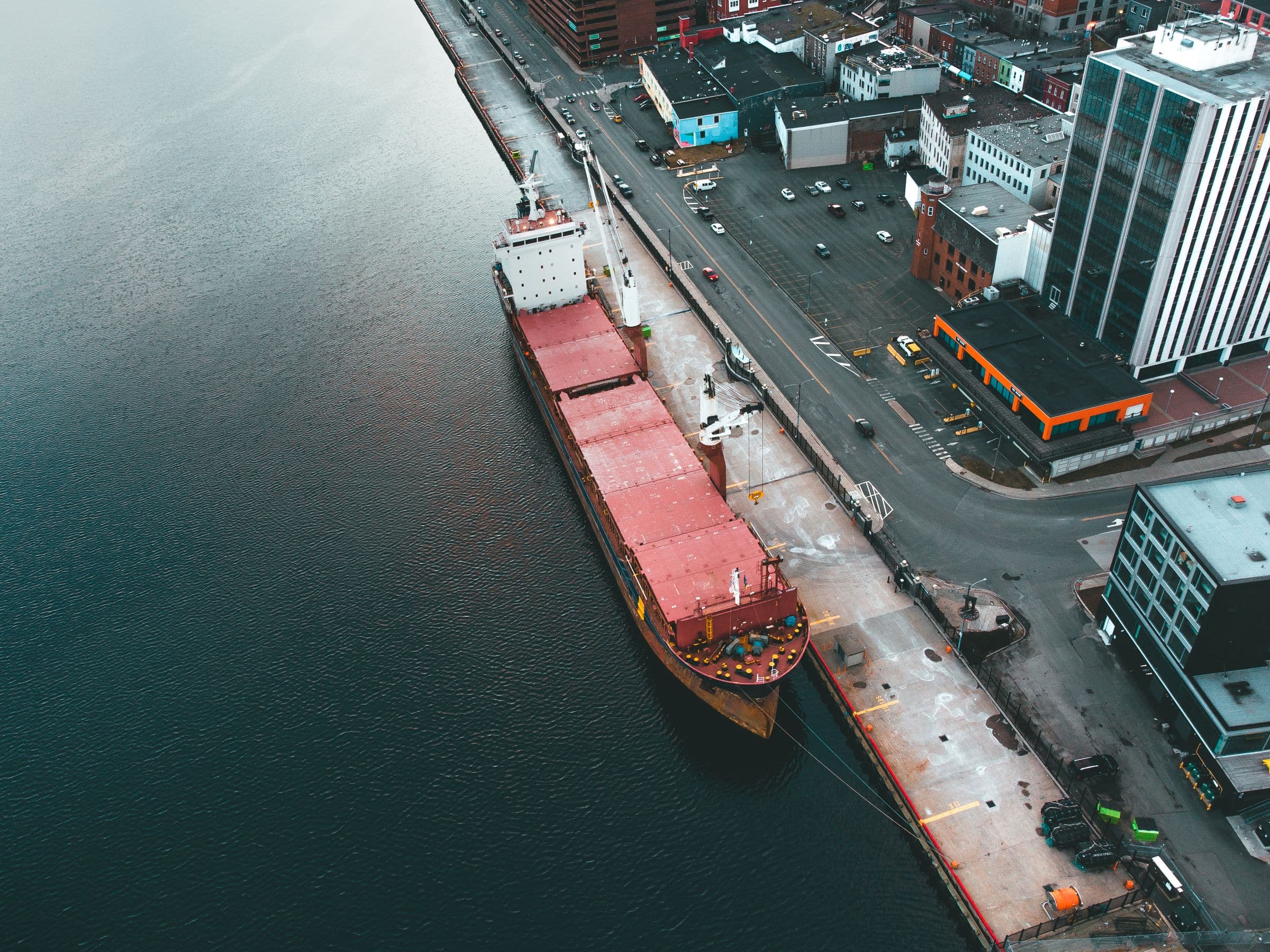
For most of the container era you could size up a port on four numbers: depth, crane moves an hour, yard capacity, dwell time. Those numbers have not stopped mattering. They have simply stopped being where the competition is settled.
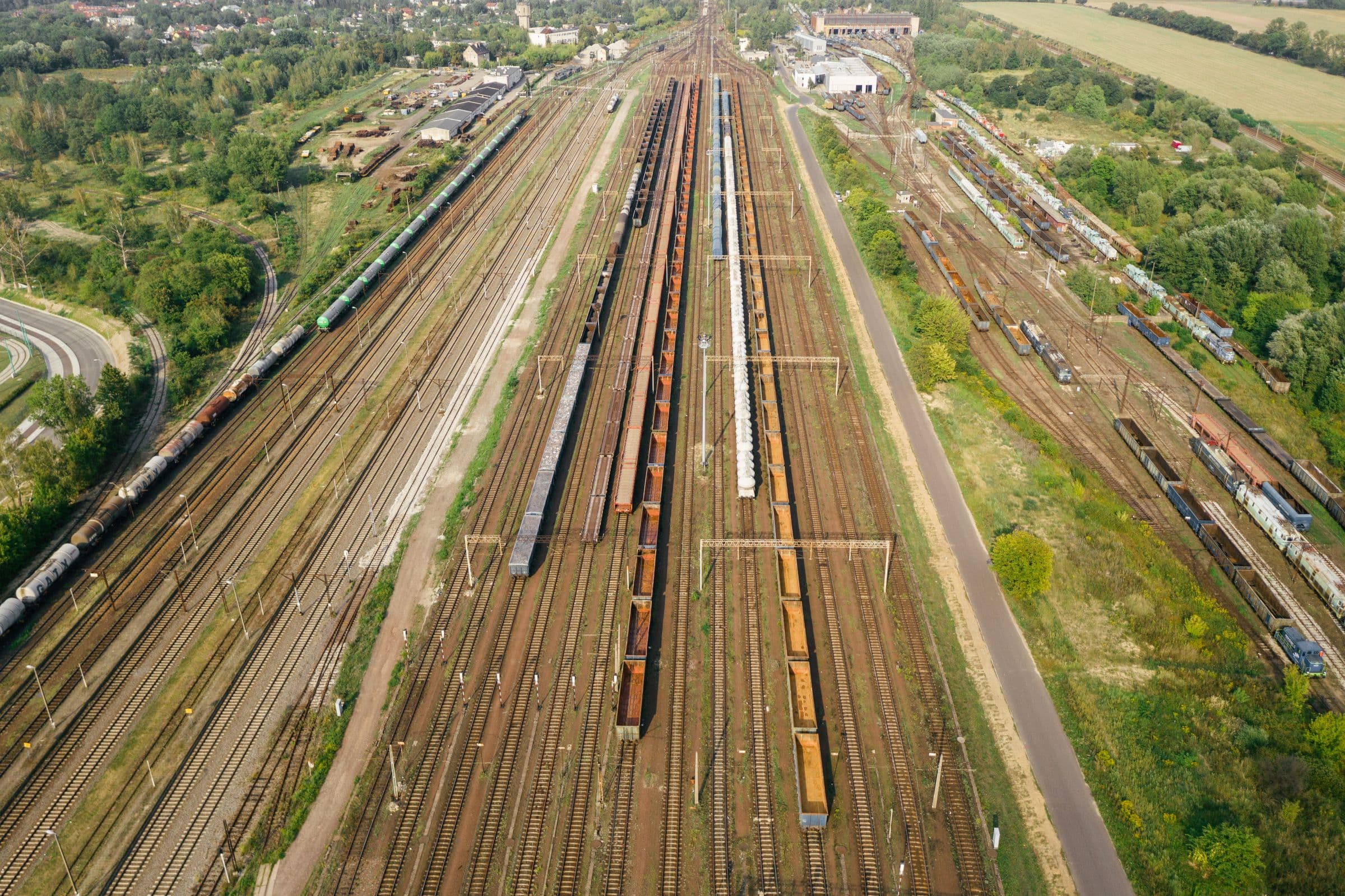
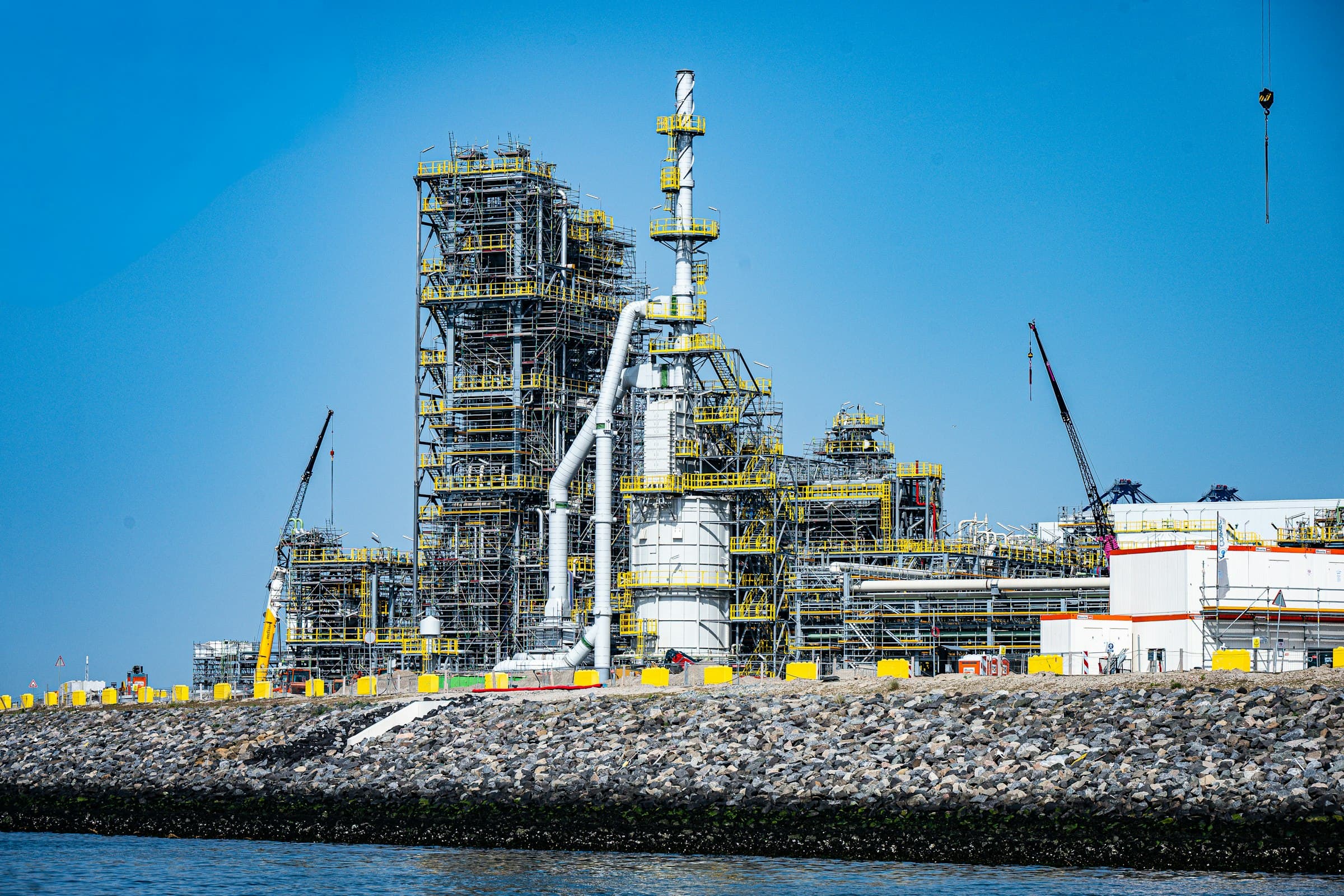
What separates ports now is what happens around them. Is there a rail path when the ship arrives. Does customs know the consignment is coming. Is the industrial plot serviced when an investor asks. Is there enough power for a project of that size. None of this is inside the terminal fence, and all of it decides whether the terminal performs.
From operator to orchestrator
That has an awkward implication for governance. An authority whose mandate stops at the water's edge has no purchase on most of what now determines its competitiveness. The ones that have adapted took on a role nobody wrote into their statutes: convening the other actors, setting the rules where the systems meet, and holding a twenty-year view that no individual operator has any reason to hold.
- Coordination of hinterland capacity — rail paths, inland platforms, road corridors
- Land and utilities strategy that anticipates industrial demand rather than reacting to it
- Data and process interfaces between port, customs, operators and shippers
- Energy planning treated as port infrastructure, not as a tenant's problem
- A phasing logic that survives changes of leadership and political cycle
Capacity is a question about the port. Coordination is a question about everyone else, and the port is the only party who can ask it.
What this means for decisions taken now
None of this follows from announcing it. It needs authority that somebody has to draft, people who have to be recruited and trained, and a master plan that keeps options open instead of quietly spending them. These are dull governance decisions, taken years before anyone can see whether they worked.
There is a simple test. A serious industrial or energy investor turns up with a defined requirement. Can the port system answer on land, connection, power, process and timing, in one answer, from one person? In our experience the answer is often no, and the reason is almost never the quay.