Energy TransitionDraft
Port Energy Hubs and the New Energy Economy
Everyone is modelling the electrolyser. Fewer people are modelling the jetty.
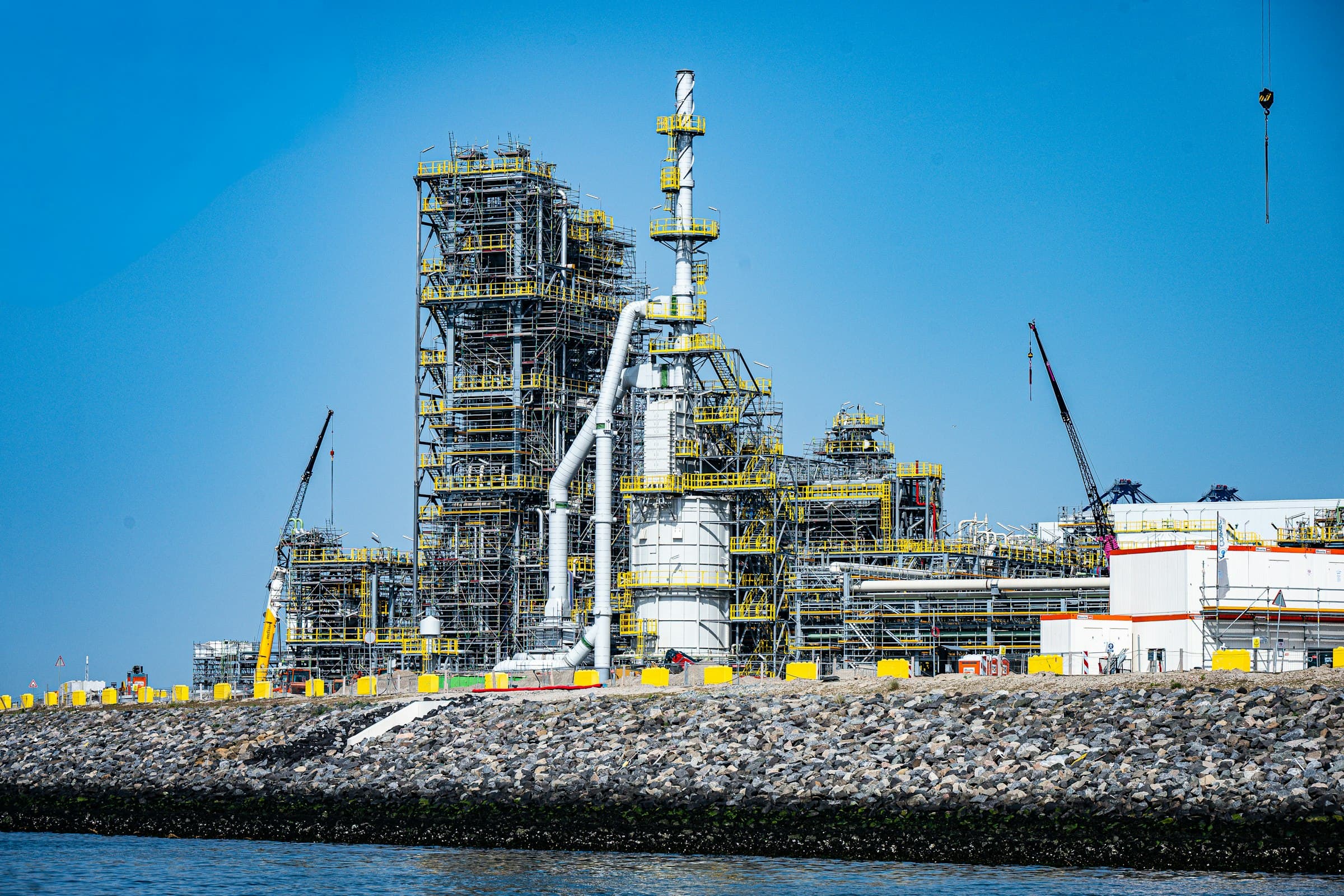
Public discussion of green hydrogen, ammonia, e-methanol and low-carbon fuels stays on production. Electrolyser capacity, renewable resource, cost curves. That is the part of a project people can picture, and it is seldom the part that determines whether it gets built.
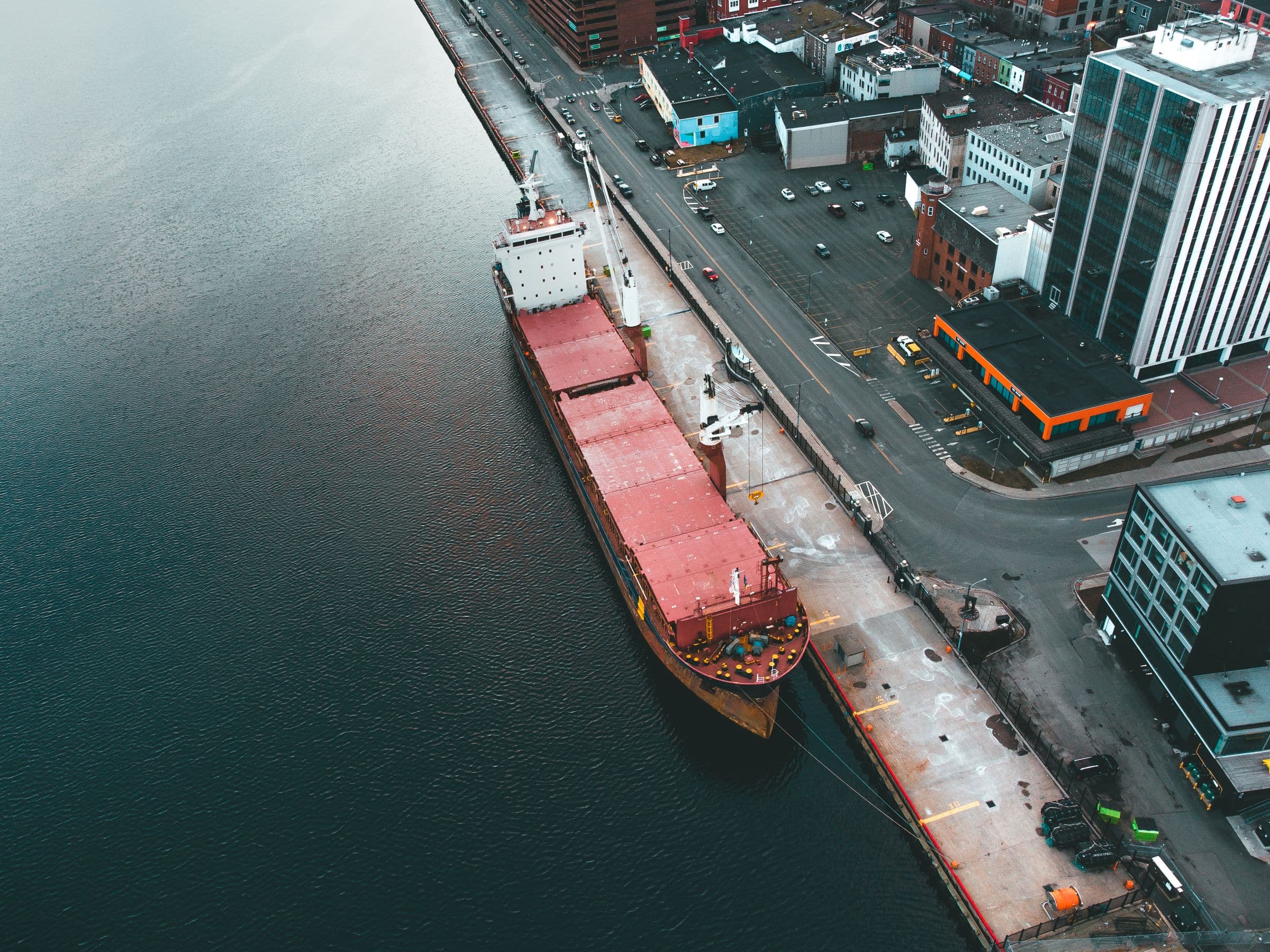
A molecule has to be stored, moved, loaded and handed to a buyer under a contract a bank will accept. Every one of those steps goes through a port. Draught and marine access, a jetty and loading arms, tankage, pipe corridors, serviced land, power and water, safety distances, and the permits covering all of it. These have long lead times of their own, and they are routinely taken up years after the production decision they are supposed to serve.
The hub question, not the plant question
A port energy hub is a shared platform, not a project. Common-user infrastructure, land set aside, utility capacity, a safety and regulatory framework, arranged so several schemes can reach a market without each laying the same foundations again. Whether one exists comes down to whether the port authority and the institutions around it reserved the space early, at a point when there was nothing obvious to reserve it for.
- Land reservation and phasing before demand is contractual
- Marine access, storage and loading configured for more than one molecule
- Utility, power and water capacity planned at platform scale
- Safety, permitting and regulatory pathways established in advance
- Interfaces with certification, traceability and destination-market rules
Announcements are about gigawatts. Financial close is about berths, hectares and a signed offtake.
Where advice has to be honest
These chains need genuine specialists. Process engineering, safety analysis, certification, carbon accounting, offtake structuring, the rules of whichever market is buying. Nobody holds all of that, and an adviser who says otherwise is worth a second look.
What the port and infrastructure side adds is the joining up. Attaching the energy chain to infrastructure that exists, land that can be had, marine capability that is real and a market that will take the product, then checking the whole arrangement holds together before anyone commits capital. That works alongside the specialists, not instead of them.